
Uniform Manufacturers · Peenya, Bangalore
Uniforms Built To Work
Manufacturers and suppliers of uniforms ranging from schools to security, hospitality to health care, spas to salons, industries to corporates, promotional wear and a whole lot more.
- Spec-led — every quote names the cloth and the GSM
- Physical sample before any bulk cloth is cut
- One standard held across reorders
 Manufacturing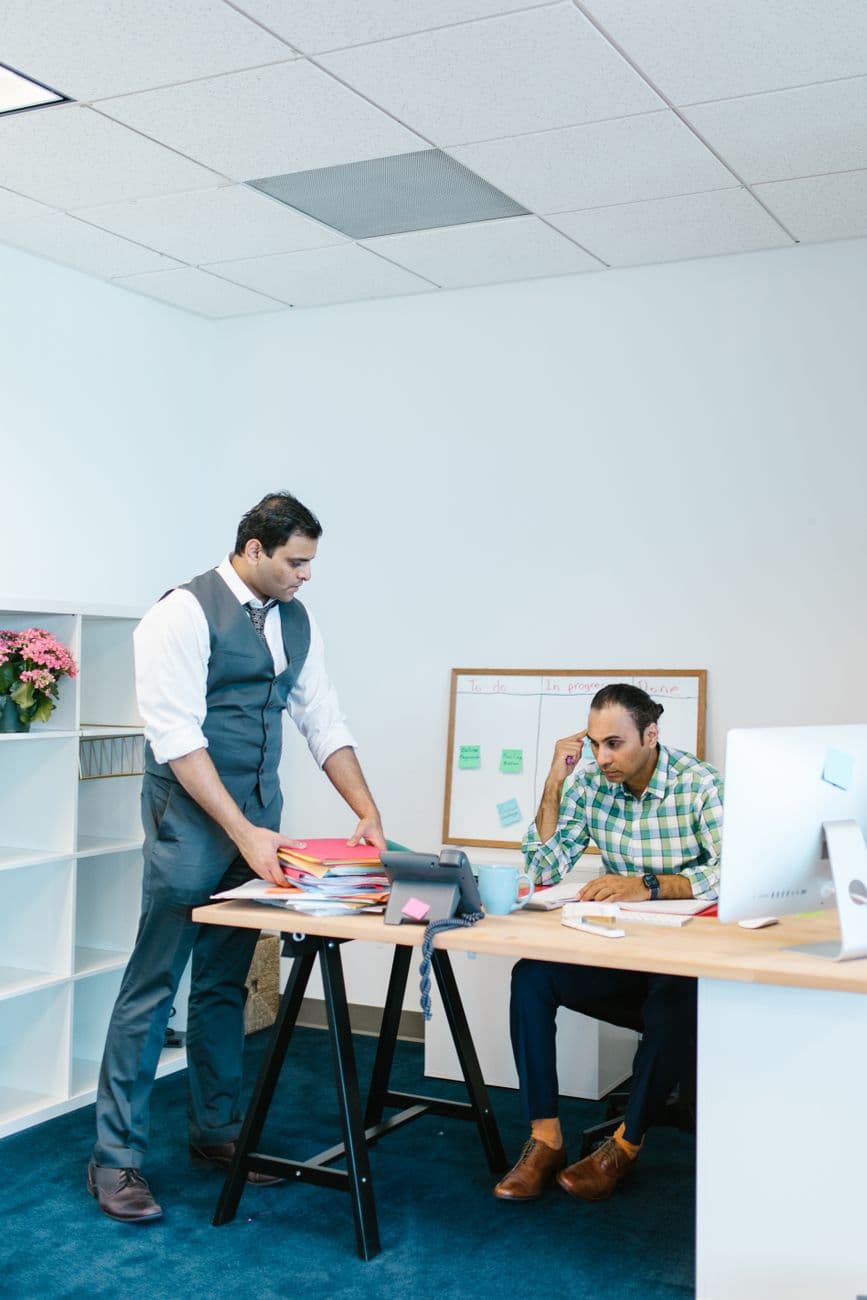
- Ranges
- 4
- Spec-led
- GSM
- Bulk orders
- B2B
- Made in Bangalore
- Blr
Product Ranges
Four ranges, one standard
One visual treatment per range — same crop logic, same label bar.
Industrial
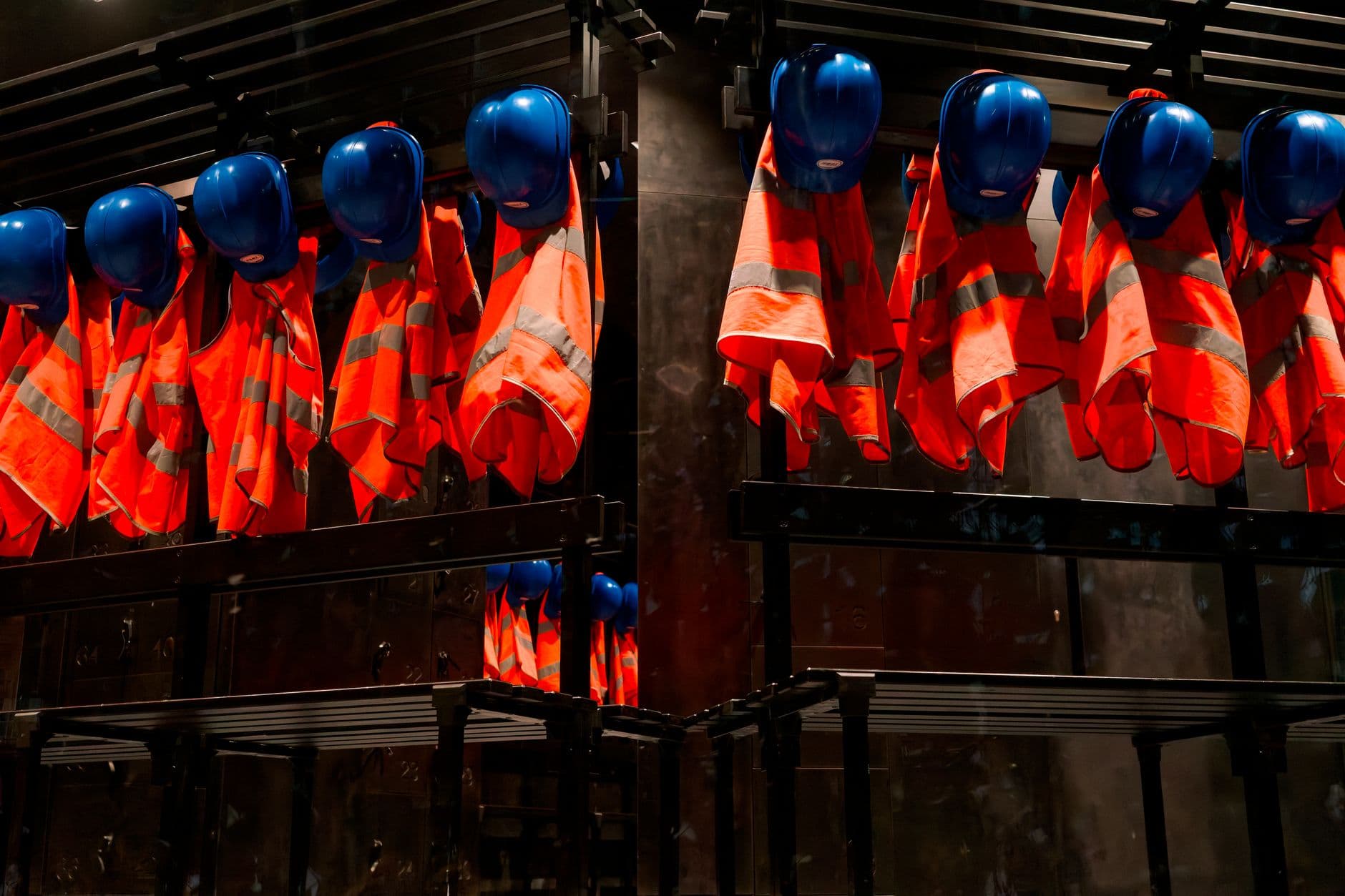
Coveralls, hi-vis, flame-resistant cotton drill. Reflective tape as a graphic device.
Explore range
Corporate
Shirting, blazers, waistcoats. Navy, white and grey with a green pocket accent.
Explore range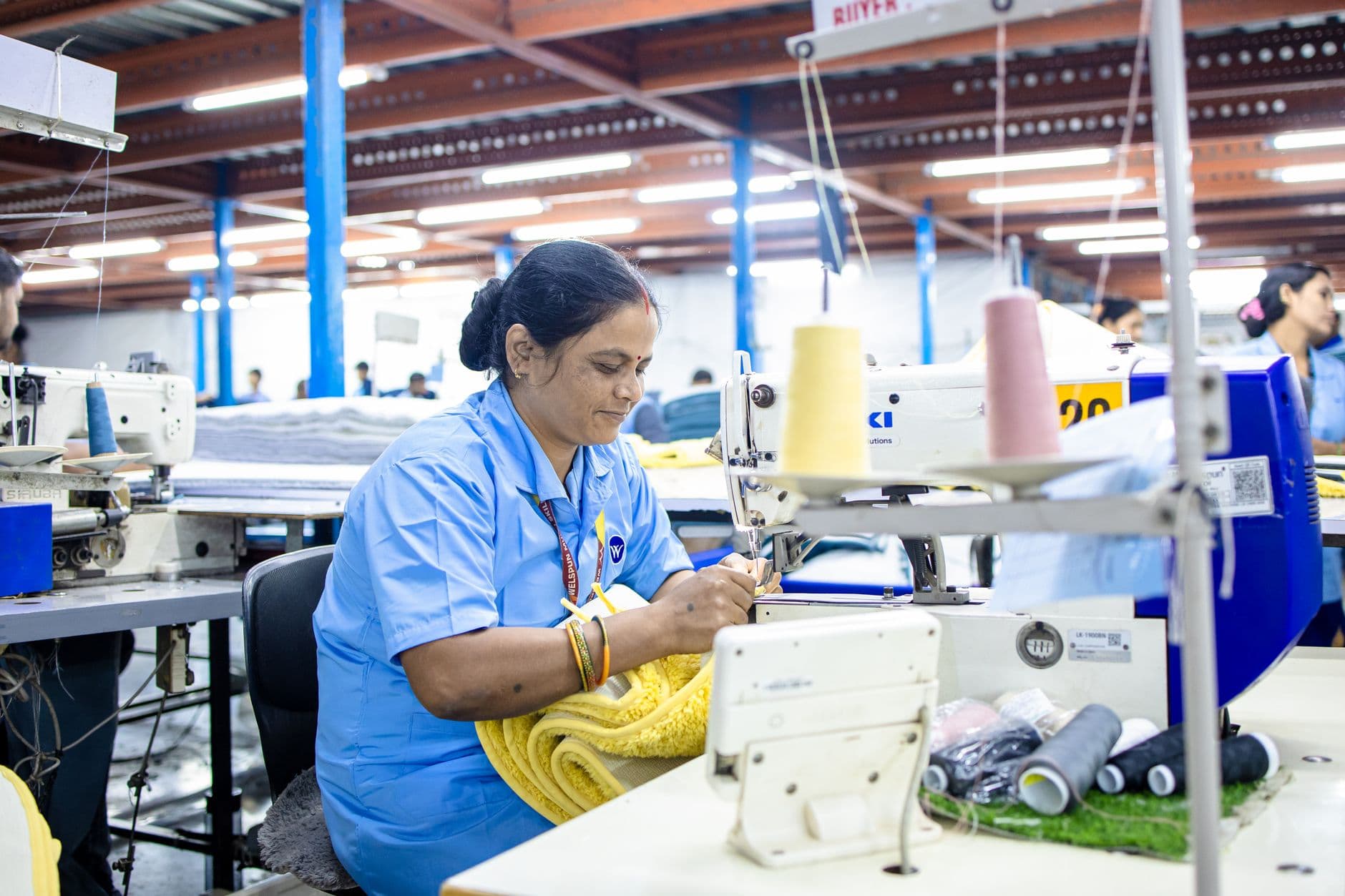
T-Shirts & Polos
Knit jersey and pique. Chest print and embroidery mock-ups shot flat, straight on.
Explore range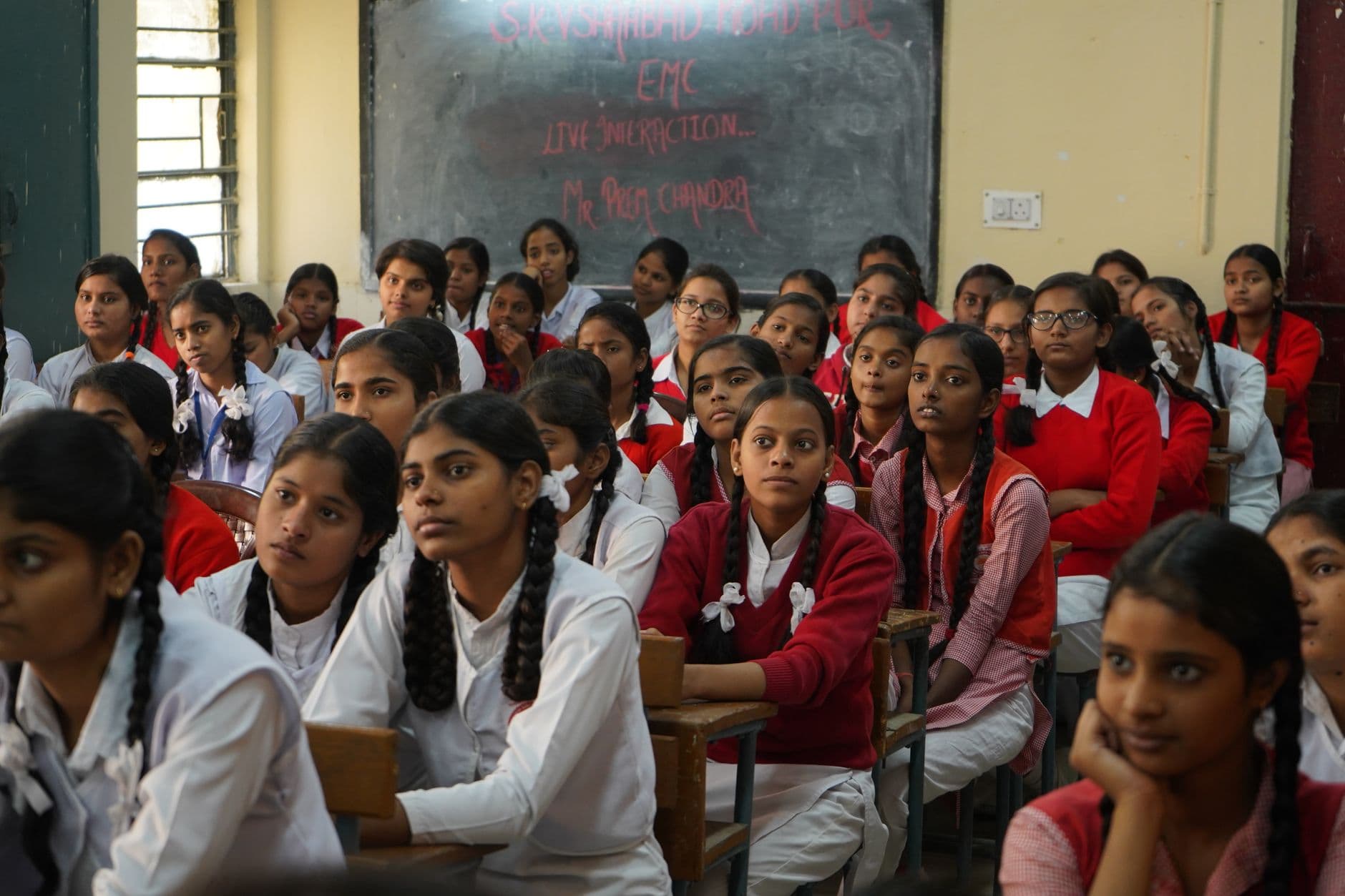
School
Pinafores, shirts, sweaters and ties. Crest embroidery, tartan and stripe options.
Explore range
Industries We Serve
Every trade, one standard
Schools to security, hospitality to health care, spas to salons, industries to corporates.
Schools
Complete graded sets from nursery to senior, with crest embroidery and house colours.
View sectorIndustrial & Manufacturing
Coveralls, hi-vis and heavy drill workwear for factory floors and sites.
View sectorCorporate
Formal shirting, blazers and waistcoats with a consistent fit across a whole team.
View sectorHealthcare
Scrubs, lab coats and patient wear in colour-fast, high-wash fabrics.
View sectorHospitality
Front-of-house and kitchen uniforms for hotels, restaurants and catering.
View sectorSecurity
Guard uniforms with the structure and durability of a duty garment.
View sectorSpas & Salons
Tunics and aprons that stay presentable through a full shift.
View sectorPromotional Wear
Branded tees, polos and caps for events, campaigns and staff giveaways.
View sector
How We Work
From brief to delivery
Every stage produces something you can hold or sign off. Nothing goes to bulk production on a verbal description.
- 01
Brief & requirement
Tell us the garment, the quantity and the deadline.
We start from what your team actually does. A warehouse crew, a front-of-house team and a nursery class need three different garments even when they all say "polo shirt". We work through the roles, the environment, the wash cycle and the branding before anyone talks about price.
You receive
A written requirement we both agree on
- 02
Fabric & specification
Weave, blend, GSM and colour, agreed in writing.
We put forward fabric options against the requirement and send physical swatches where it matters. The specification names the cloth, the weight in GSM, the colour reference, the seam construction and the branding placement. Nothing goes to cutting on a verbal description.
You receive
Swatches plus a written spec sheet
- 03
Sampling & fit
A physical sample before a single bulk piece is cut.
We produce a sample garment to the agreed spec. You see the real cloth, the real stitching and the real branding, and you can put it on a person. Fit changes at this stage cost nothing. Fit changes after bulk cutting cost everything.
You receive
Approved sample and a signed-off size set
Fabric & Texture
Spec-led materials
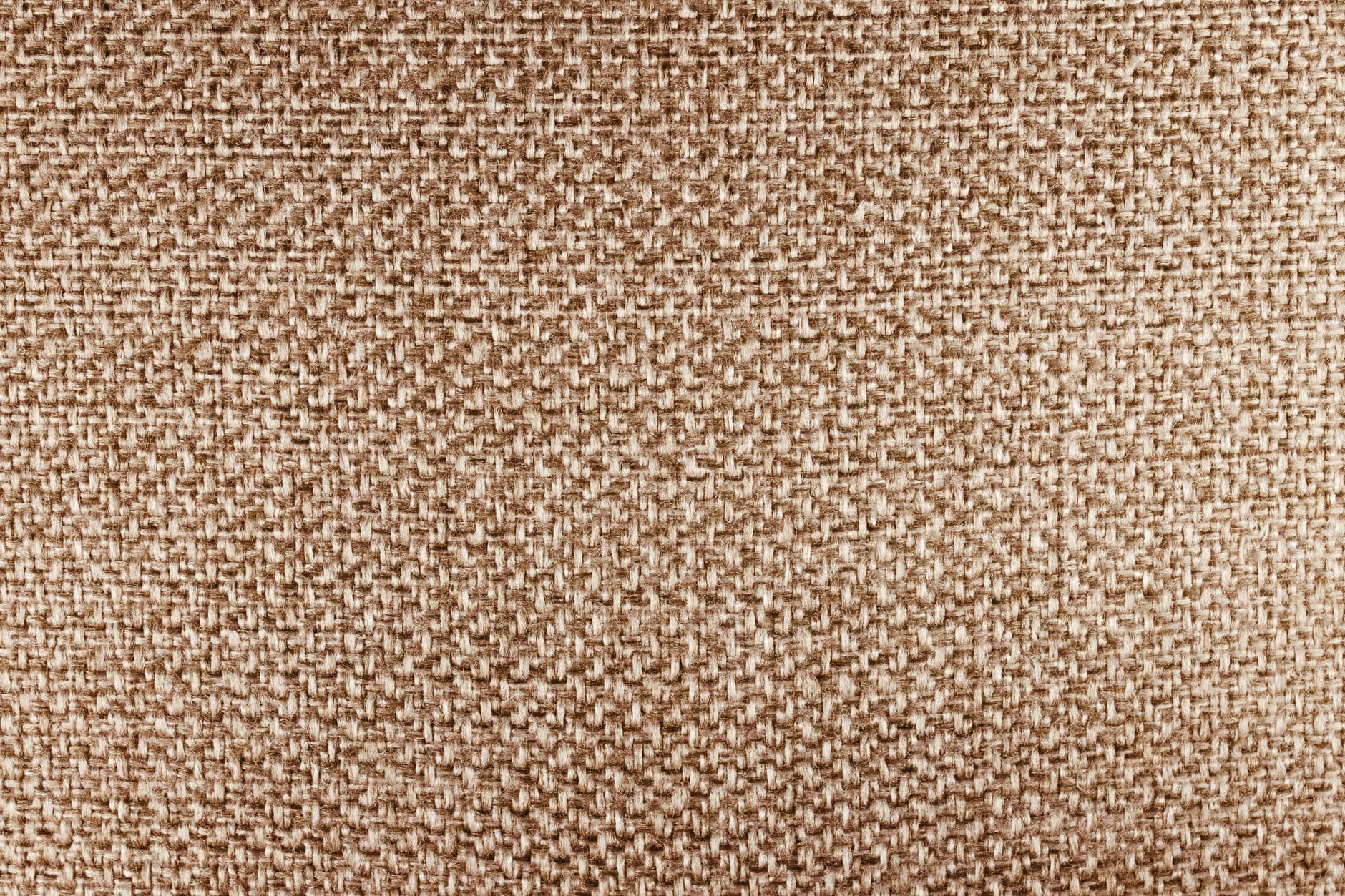
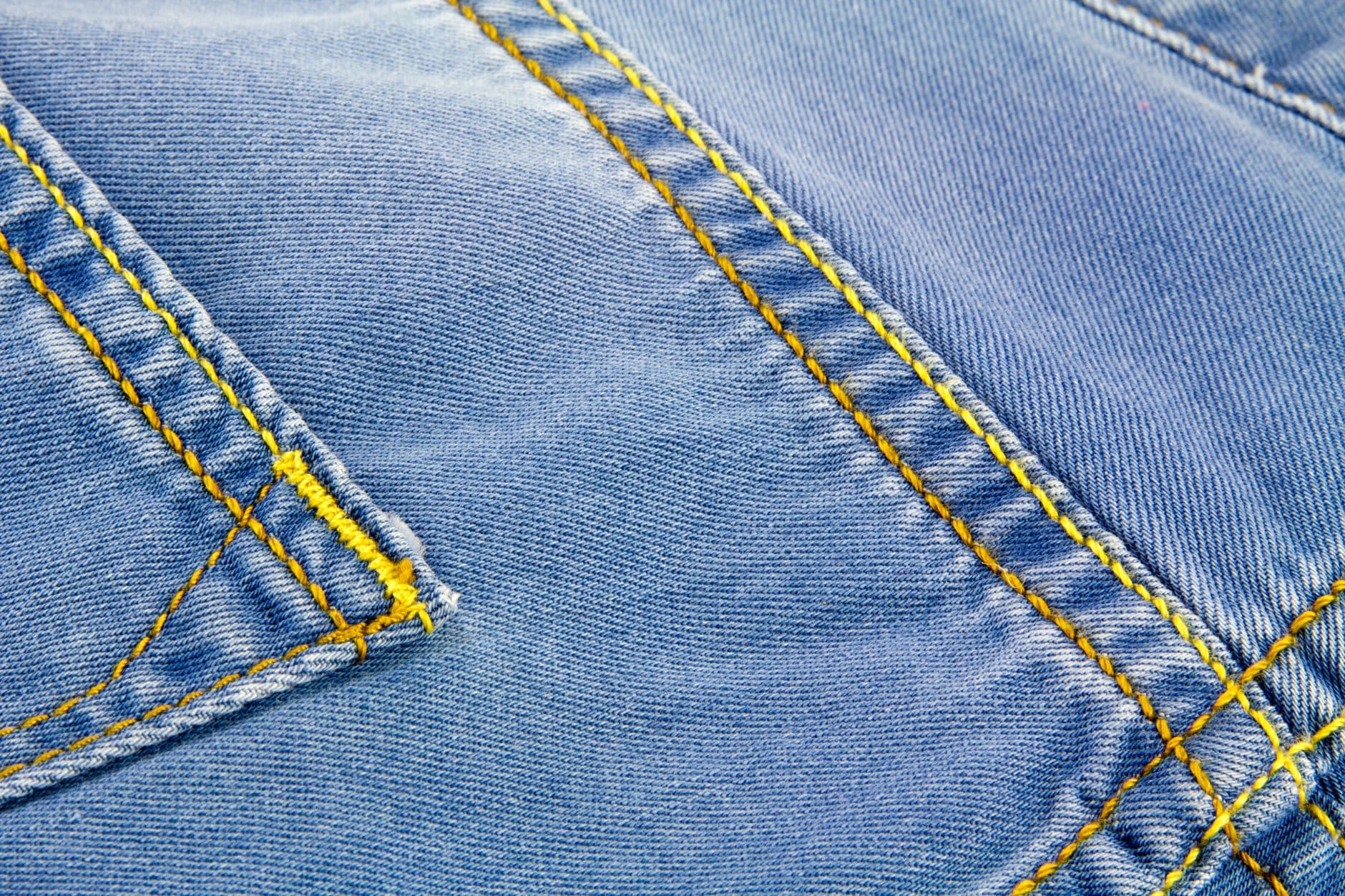
Weave and stitch density are the subject — we quote to GSM, not to guesswork.
Cotton Drill
Dense diagonal weave with real body. The default for coveralls and heavy workwear.
Poly-Cotton Twill
Blended twill that resists creasing and holds a press through repeated washing.

Pique Knit
Textured knit with breathability and recovery. Standard for polo shirts.
Reflective Tape
Applied as a graphic device as much as a safety feature — banded at chest and cuff.
Combed Cotton Jersey
Single knit with the short fibres combed out — the reason a good tee stops pilling.
Acrylic Knit
Warm, colour-stable knit for school sweaters and cardigans.
Capability
What happens under one roof
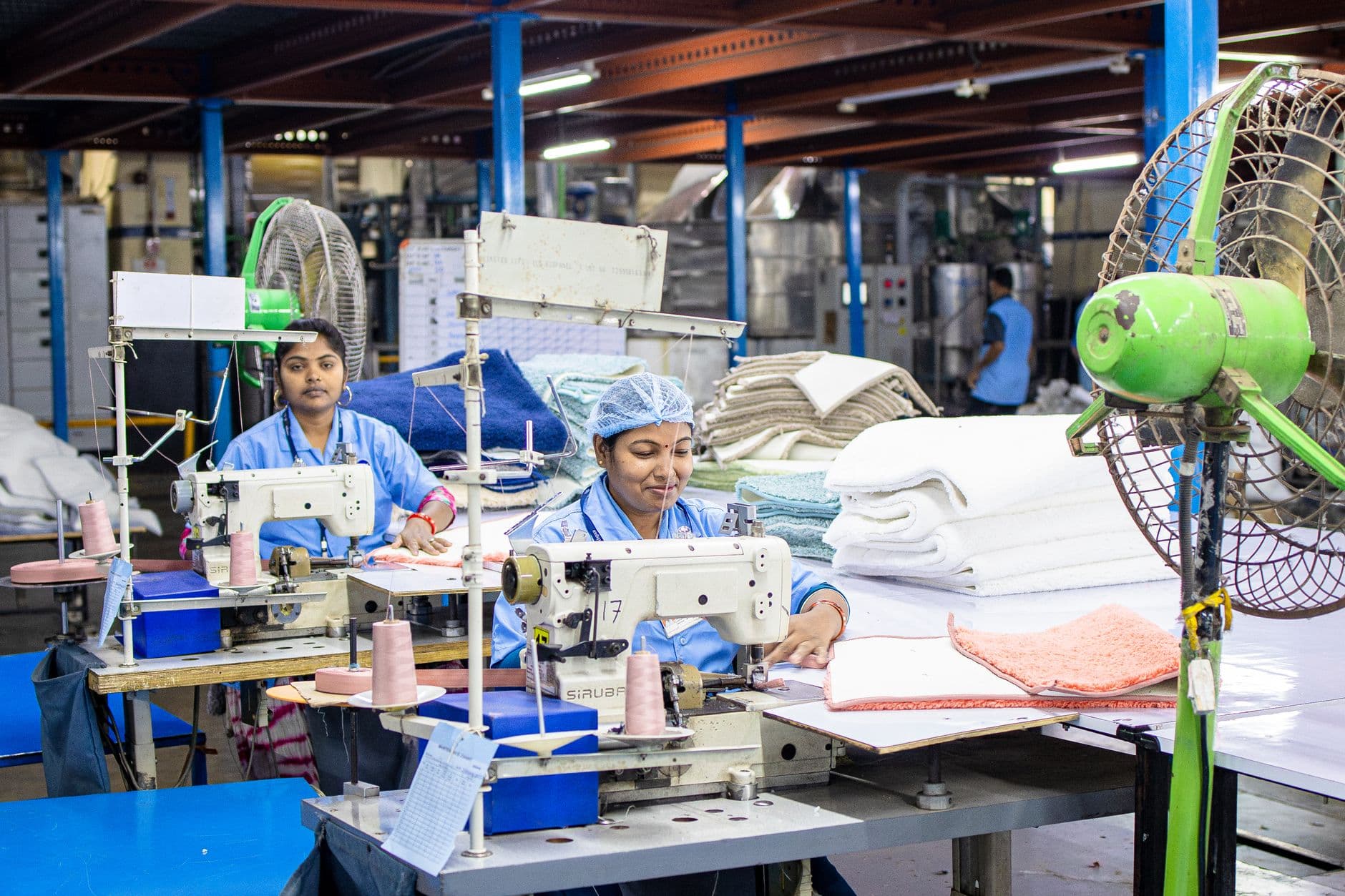
Pattern to packing. Keeping these stages together is what lets us hold a specification across a whole run.
Pattern & grading
Patterns cut in-house and graded across the full size run, so the smallest and largest garments in an order are proportioned correctly rather than scaled.
Cutting
Layered cutting against the approved marker, keeping every piece in a run from the same cloth lot wherever the quantity allows.
Stitching
Line production with construction matched to the garment — lock stitch, overlock and bar-tack applied where each belongs, not uniformly.
Embroidery & print
Logo digitising, multi-head embroidery, screen printing and DTF transfer, all referenced to an approved physical proof.
Quality checking
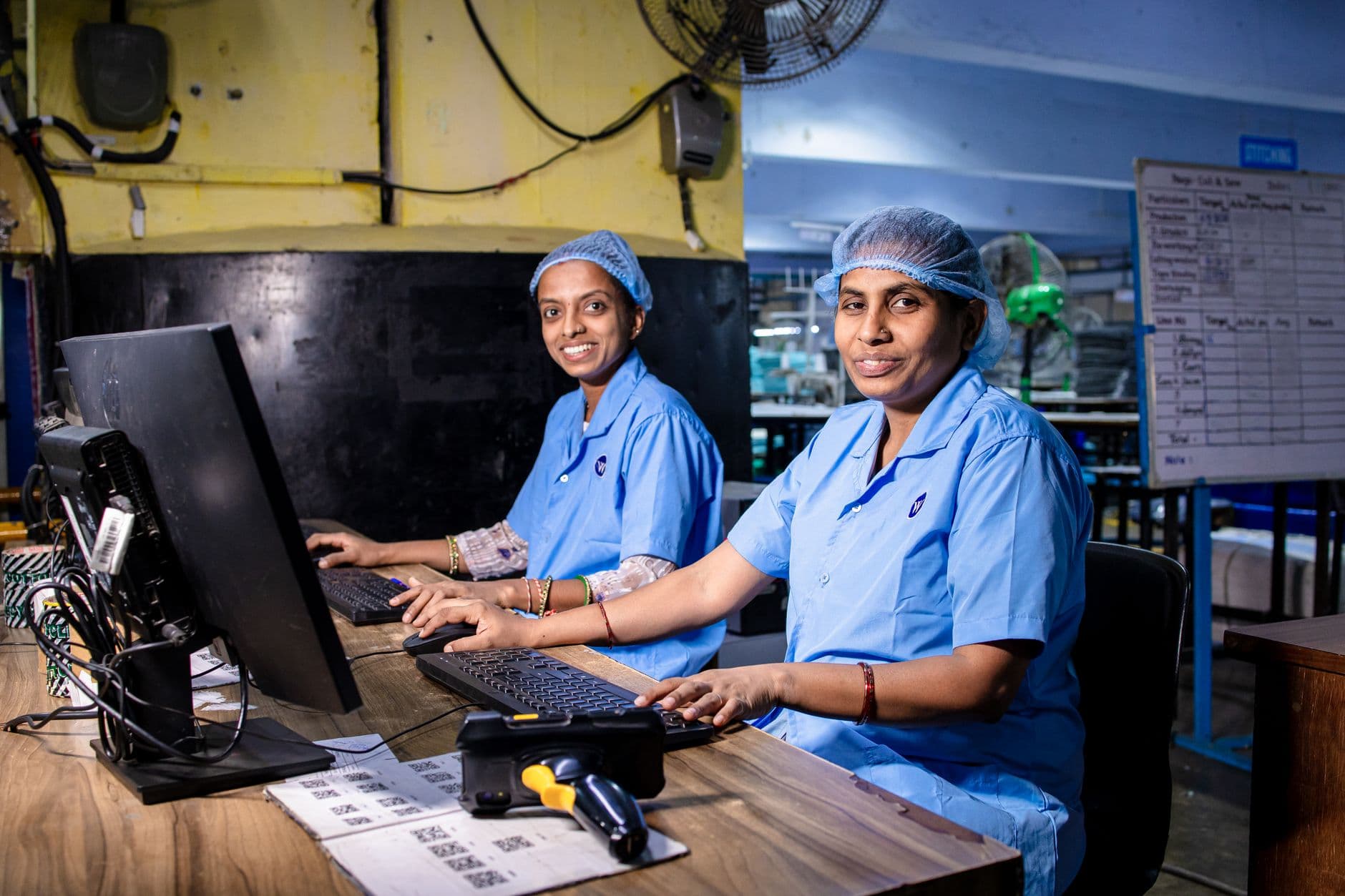
Checks during the run and at finishing — measurement against spec, seam integrity, shade consistency and branding placement.
Finishing & packing
Pressing, sizing, tagging and packing to your distribution structure, whether that is per person, per department or bulk.
Brand Voice
How we build
“Ten thousand pieces. One standard.”
Questions
Before you enquire
The questions we are asked most often. The full set is on our FAQ page.
It varies by garment and by how much customisation is involved — a plain stock-colour polo behaves very differently from a custom-dyed coverall with embroidered branding. Send us the requirement and we will tell you the realistic minimum for that specific job rather than quoting a blanket number.
Yes, and we recommend it. Sampling is a formal stage in our process: you get a physical garment in the real cloth with the real branding before any bulk cloth is cut. Changes at sample stage are cheap; changes after bulk cutting are not.
Embroidery lasts longest and survives industrial washing, which makes it the right choice for staff garments worn daily for a year or more. Screen printing is more economical at volume and better for large flat artwork. DTF handles full-colour, detailed artwork at lower quantities.
GSM is grams per square metre — the weight of the cloth. It is the single most useful number for comparing two quotes. A 180 GSM t-shirt and a 140 GSM t-shirt are not the same product, however similar the photographs look. We quote GSM on every specification so you can compare like with like.
The reliable method is a fitting session with a sized sample set. People try garments on, we record each person against a size, and we cut to that list. Self-reported sizes from a spreadsheet produce noticeably more remakes.
Kinos Uniforms — Every trade, one standard.
Request a quote