Skip to content
Kinos Uniforms

Fabric & Texture

Materials, specified

Every quote we issue names the cloth, the composition and the weight in GSM. That is the only way you can compare two suppliers honestly — a 180 GSM tee and a 140 GSM tee are not the same product, however similar the photograph.

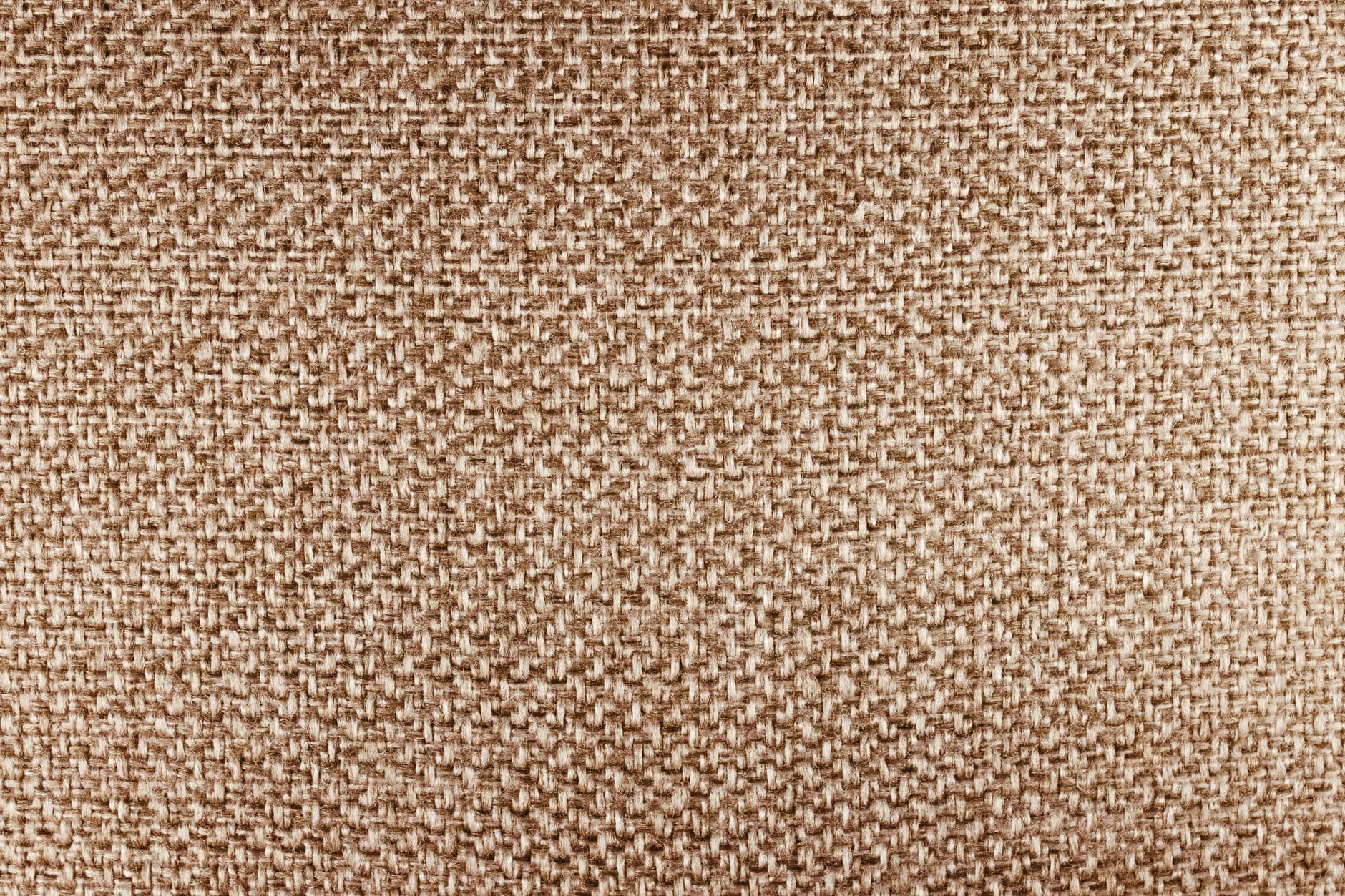
Cotton Drill — Detailed close-up of beige fabric texture, highlighting its woven pattern.

Cotton Drill

Dense diagonal weave with real body. The default for coveralls and heavy workwear.

Drill is a warp-faced twill with a tight diagonal structure, which is what gives it its weight and its resistance to tearing. It is the traditional workwear cloth for good reason: it takes abrasion, holds its shape and only gets more comfortable as it softens. The trade-off is that it is heavy and slower to dry than a blend.

Composition
100% cotton, or cotton-rich blend
Weight
240–320 GSM
  • High abrasion resistance
  • Breathable
  • Softens with wear
  • Takes dye deeply
Best forCoverallsBoiler suitsWork trousersHeavy aprons
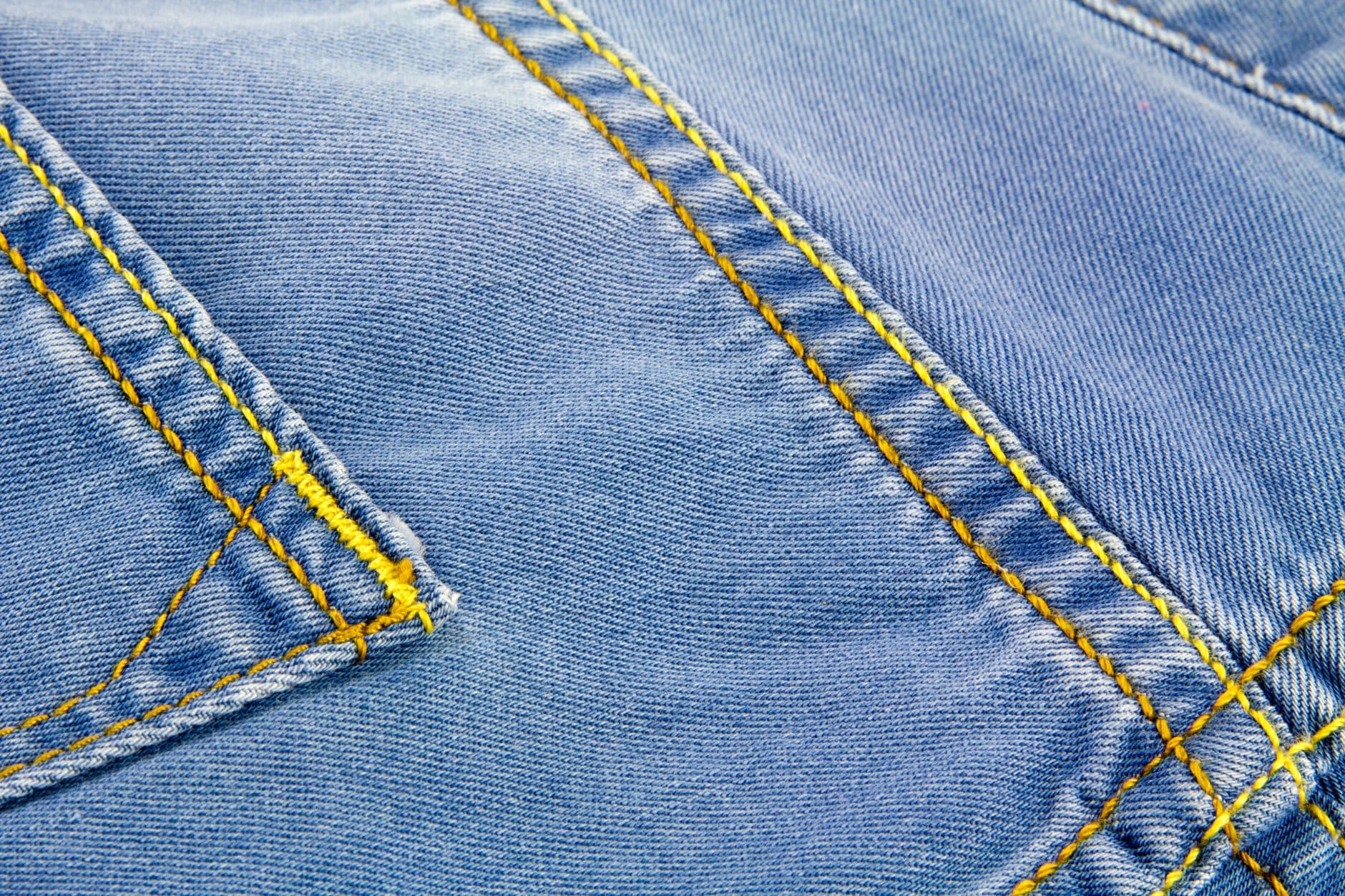
Poly-Cotton Twill — Detailed close-up of blue denim fabric showcasing yellow stitching and texture.

Poly-Cotton Twill

Blended twill that resists creasing and holds a press through repeated washing.

Blending polyester into a cotton twill buys three things: crease recovery, faster drying and better dimensional stability, so the garment does not shrink or twist over a year of washing. It gives up a little breathability compared with pure cotton, which is the reason we do not use it for everything.

Composition
65/35 or 80/20 polyester-cotton
Weight
160–240 GSM
  • Crease resistant
  • Fast drying
  • Dimensionally stable
  • Colour-fast
Best forWork shirtsCorporate trousersSchool uniformHospitality wear
Pique Knit — Minimalist close-up photo of a woman in a white polo shirt with a neutral background.

Pique Knit

Textured knit with breathability and recovery. Standard for polo shirts.

Pique is a knit with a raised waffle texture, and that texture is functional — it holds the cloth slightly off the skin, which moves air and makes it wear cooler than flat jersey at the same weight. It also hides creasing well, which is why polos look presentable after a shift when a jersey tee does not.

Composition
100% combed cotton, or poly-cotton blend
Weight
200–240 GSM
  • Breathable texture
  • Good recovery
  • Hides creasing
  • Holds embroidery well
Best forPolo shirtsStaff uniformsPromotional wear
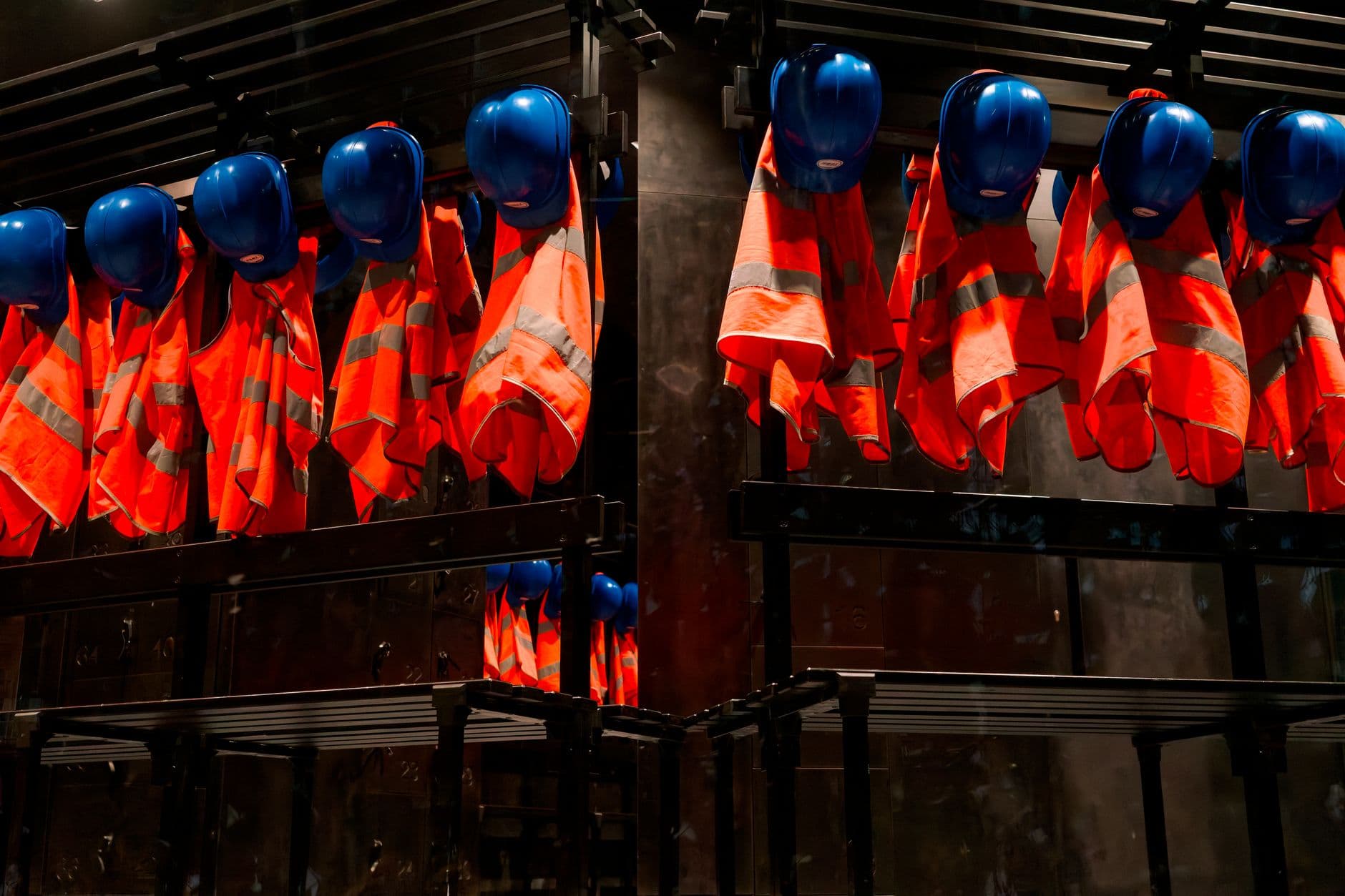
Reflective Tape — Row of orange safety vests and blue helmets hanging in industrial setting

Reflective Tape

Applied as a graphic device as much as a safety feature — banded at chest and cuff.

Retro-reflective tape returns light towards its source, which is what makes a wearer visible in a vehicle headlight. Placement matters more than quantity: banding the chest, cuff and shin makes a person read as a human outline, which the eye recognises far faster than scattered bright patches.

Composition
Retro-reflective film on fabric backing
Weight
Applied — varies by garment
  • High night visibility
  • Heat-sealed or stitched
  • Wash-durable
  • Placement to spec
Best forHi-vis vestsCoverallsSite jackets
Combed Cotton Jersey — Minimalist close-up photo of a woman in a white polo shirt with a neutral background.

Combed Cotton Jersey

Single knit with the short fibres combed out — the reason a good tee stops pilling.

Combing removes the short, immature fibres before spinning. Those short fibres are what work loose and ball up on the surface, so combed cotton stays smooth for far longer than carded. It is the clearest quality difference between a cheap promotional tee and one still worn a year later.

Composition
100% combed cotton
Weight
160–200 GSM
  • Resists pilling
  • Soft handle
  • Even print surface
  • Good drape
Best forT-shirtsPromotional wearEvent staff
Acrylic Knit — Detailed close-up of beige fabric texture, highlighting its woven pattern.

Acrylic Knit

Warm, colour-stable knit for school sweaters and cardigans.

Acrylic holds bright and deep colours without the shrinkage and felting risk of wool, and it survives a domestic wash cycle that a wool sweater would not. For school knitwear — washed constantly, cared for casually — that reliability matters more than the handle of a natural fibre.

Composition
100% acrylic, or acrylic-cotton blend
Weight
Gauge-dependent
  • Colour-stable
  • Machine washable
  • Warm for its weight
  • Resists shrinking
Best forSchool sweatersCardigansTank tops

At a glance

Compare by weight

The same information as a specification table, for when you are comparing quotes side by side.

Uniform fabrics compared by composition, weight and application
FabricCompositionWeightBest forRanges
Cotton Drill100% cotton, or cotton-rich blend240–320 GSMCoveralls, Boiler suits, Work trousers, Heavy apronsIndustrial
Poly-Cotton Twill65/35 or 80/20 polyester-cotton160–240 GSMWork shirts, Corporate trousers, School uniform, Hospitality wearIndustrialCorporateSchool
Pique Knit100% combed cotton, or poly-cotton blend200–240 GSMPolo shirts, Staff uniforms, Promotional wearT-Shirts & Polos
Reflective TapeRetro-reflective film on fabric backingApplied — varies by garmentHi-vis vests, Coveralls, Site jacketsIndustrial
Combed Cotton Jersey100% combed cotton160–200 GSMT-shirts, Promotional wear, Event staffT-Shirts & Polos
Acrylic Knit100% acrylic, or acrylic-cotton blendGauge-dependentSchool sweaters, Cardigans, Tank topsSchool

Fabric FAQ

Questions about cloth

GSM is grams per square metre — the weight of the cloth. It is the single most useful number for comparing two quotes. A 180 GSM t-shirt and a 140 GSM t-shirt are not the same product, however similar the photographs look. We quote GSM on every specification so you can compare like with like.

Ask for a swatch before you commit.

Request swatches